About Jane
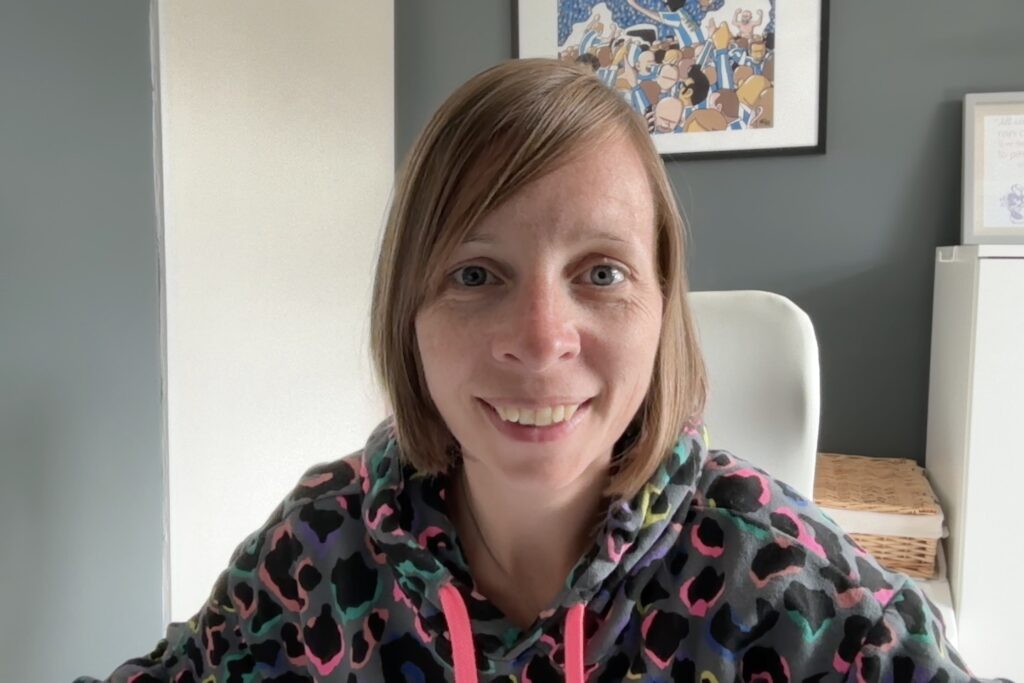
NIHR Clinical Doctoral Fellow, Sheffield Teaching Hospitals
Jane Manson is a dedicated clinical academic at Sheffield Teaching Hospitals, currently holding the prestigious role of NIHR Clinical Doctoral Fellow. Jane’s journey through the NHS R&D North West Bridging Scheme (2021/22) has been pivotal in her career, enabling her to successfully secure an NIHR Clinical Doctoral Fellowship—a significant milestone for any clinical researcher.
Full Name: Jane Manson
Current Role: NIHR Clinical Doctoral Fellow
Organisation: Sheffield Teaching Hospitals
Email: jane.manson@nhs.net
Research Topic: Physiotherapy and Occupational Therapy in Community Palliative Care
NHS R&D Programme: Bridging Scheme
Year of Cohort: 2022
Achievements and Research Impact
Jane’s most notable achievement since participating in the Bridging Scheme is the successful attainment of her NIHR Clinical Doctoral Fellowship. Her research focuses on the provision of physiotherapy and occupational therapy in community palliative care, a field where guidance is limited and unwarranted variation in practice can lead to unmet patient needs.
Key Publication:
Identifying aspects of physiotherapy and occupational therapy provision in community palliative rehabilitation that could improve outcomes: A realist review
- This review synthesised evidence from 42 international publications (2000–2023), identifying five critical aspects for effective community palliative rehabilitation:
- Early referral to rehabilitation services
- A layered service model tailored to complexity of needs
- Holistic, personalised assessments and interventions
- Accessible and flexible service delivery
- Ongoing information and education for patients and carers
The review concludes that integrating these elements could ensure palliative patients receive the therapy they need, offering a practical framework for improving community-based palliative care.
Abstract:
Background:
The provision of physiotherapy and occupational therapy in palliative care is often poorly understood.
There is currently no guidance on how to deliver these services in the community, potentially leading to unwarranted variation in practice and unmet patient need.
Aim:
To identify aspects of physiotherapy and occupational therapy provision in community palliative rehabilitation that could improve outcomes.
Design:
A realist review of the literature following RAMESES standards, with stakeholder input throughout.
Data sources:
Iterative literature searches were conducted from September 2023 to April 2024. All relevant data sources relating to delivery of physiotherapy and occupational therapy in community palliative care were included.
Results:
Forty-two international publications were included, published between 2000 and 2023. Five key aspects were identified: (1) Early referral into community palliative rehabilitation. (2) Layered model, basing level of service on complexity of needs. Within this, clinicians without professional qualifications deliver simple interventions after assessment by a qualified physiotherapist or occupational therapist while specialist clinicians review more complex presentations. Services are cohesive by being integrated with primary care, other community services and specialist medical and palliative care and there is representation of physiotherapists and occupational therapists within leadership teams. (3) Holistic assessments form the backbone of the service with personalised interventions tailored to patients’ needs and goals. (4) Accessible and flexible services are offered to meet patients’ needs throughout their palliative journey. (5) Information and education for patients and carers are available throughout.
Conclusions:
Integrating these five key aspects of physiotherapy and occupational therapy provision into community palliative rehabilitation could help ensure palliative patients receive the therapy they need.
Reflections on the NHS R&D NW Programme
Jane credits the Bridging Scheme as instrumental in her success. The backfilled time and expert-led sessions enabled her to develop a strong fellowship application. She highlights the value of interview practice and learning how to effectively present her research and achievements. Jane believes these experiences were crucial in helping her secure her NIHR award.
Professional Goals
Jane is committed to:
- Establishing a permanent clinical academic career
- Completing her doctoral fellowship and passing her viva
- Securing post-doctoral funding
Looking Forward
Jane’s work exemplifies the impact of structured support and mentorship in clinical research. Her ongoing commitment to advancing community palliative rehabilitation will continue to shape best practices and improve patient outcomes.
Congratulations, Jane, on your remarkable achievements and contributions to clinical research!
Join the alumni network
Are you a former participant in NHS R&D North West programmes? Stay connected with our growing community of researchers, innovators, and healthcare professionals.
Reconnect with Peers – Find and collaborate with fellow alumni.
Showcase Your Work – Share your achievements and inspire future researchers.
Mentorship & Networking – Connect with emerging talent and experienced professionals.
How to Join?
Click the button below to fill out a sign-up form and become part of our alumni network!